
About Michael
Connecting sleep and circadian science with health and daily life.
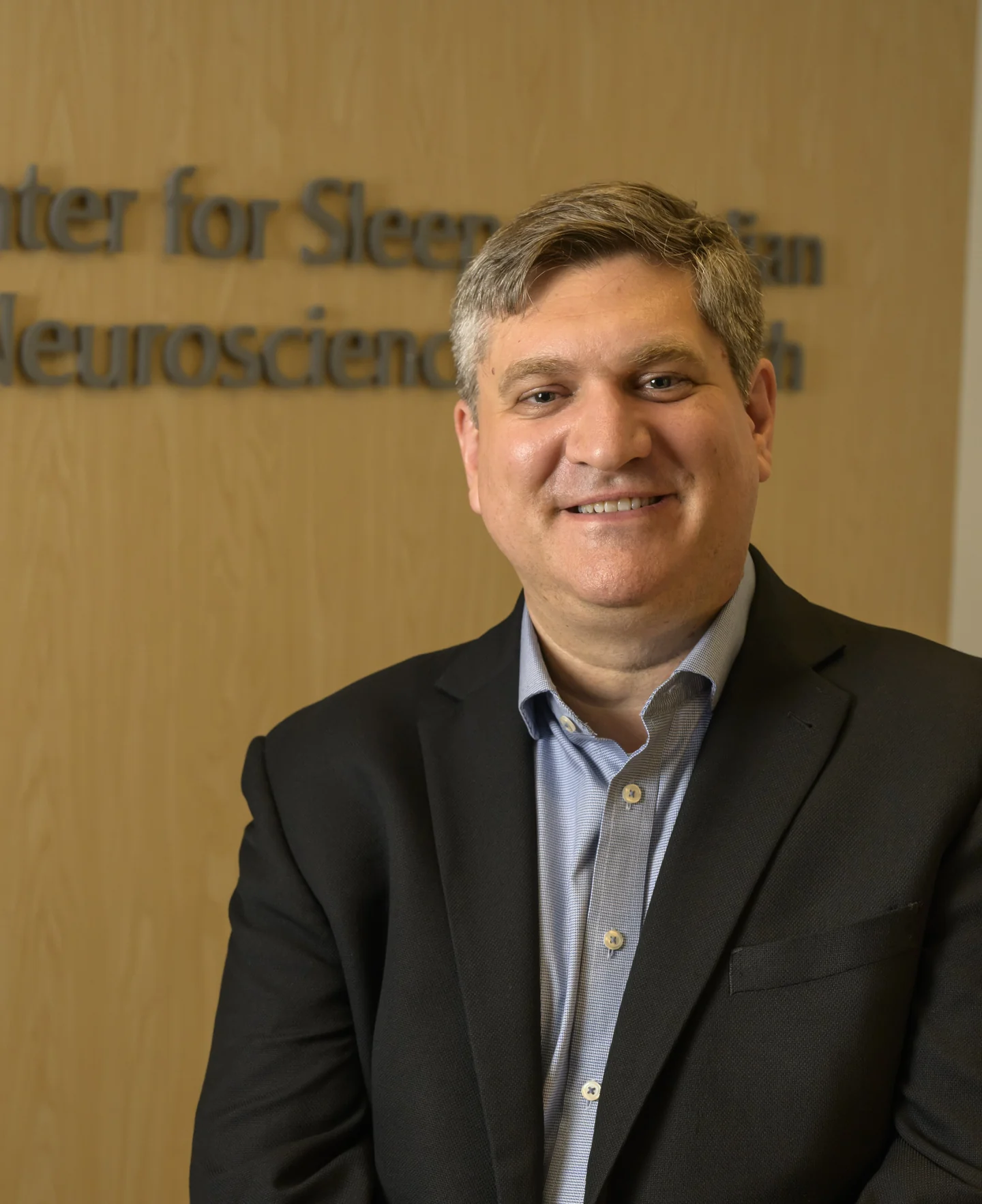
Michael Grandner, PhD, is a sleep and circadian scientist, licensed clinical psychologist, and Professor of Psychiatry at the University of Arizona College of Medicine – Tucson. He directs the Sleep and Health Research Program and the Behavioral Sleep and Circadian Medicine Clinic.
His research examines how sleep and circadian rhythms shape health and daily life, and how biology, behavior, social conditions, and environments shape sleep. Across population research, clinical care, and behavioral sleep medicine, he focuses on translating sound science into practical approaches for patients, clinicians, organizations, and the public.
The work
Sleep is shaped by life and shapes health.
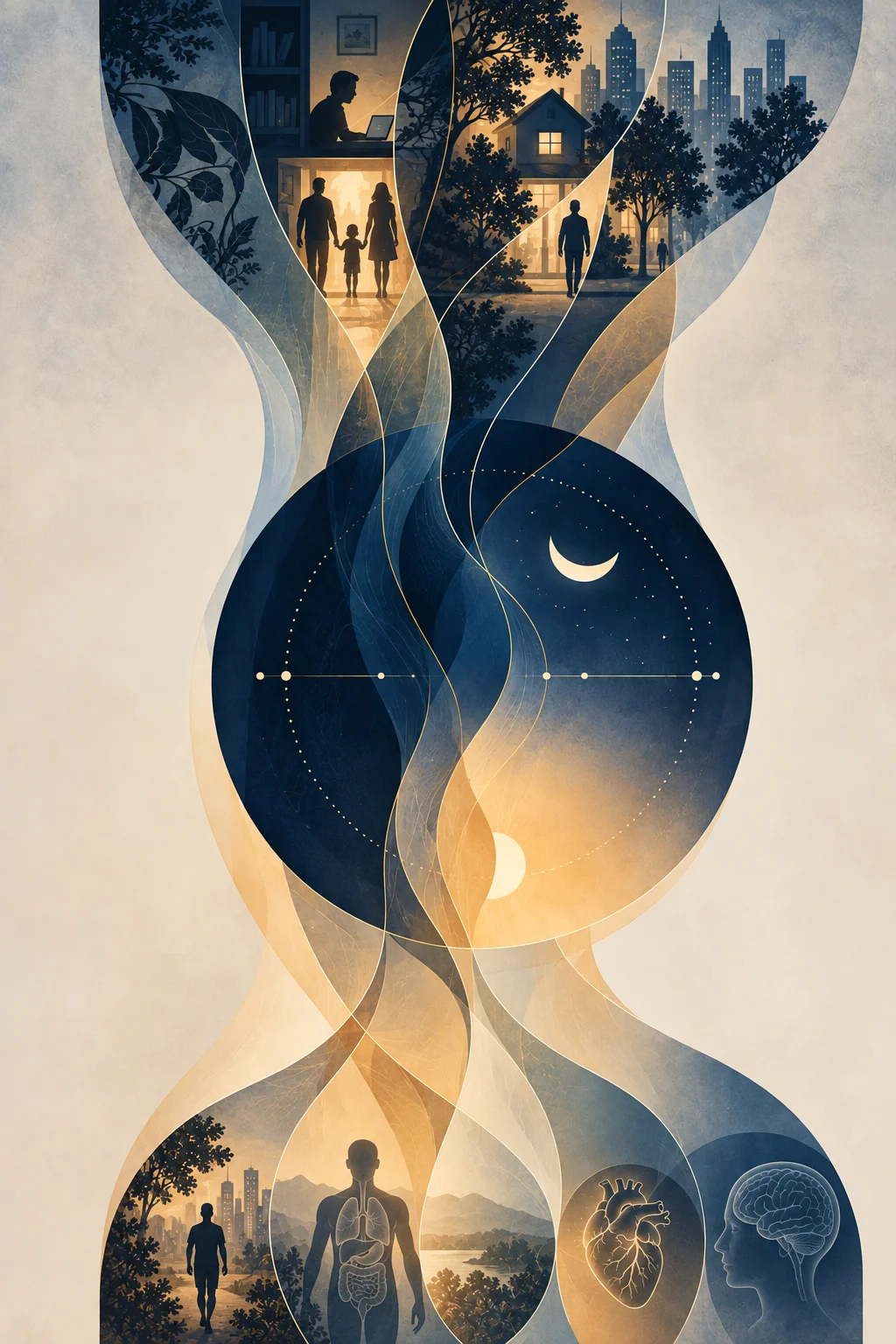
Michael studies sleep and circadian health as part of the larger systems in which people live, work, and function. Rather than treating sleep as an isolated behavior or a single measurement, his research asks what shapes sleep, how sleep influences health and functioning, and how that knowledge can be translated into meaningful change.
Upstream, his work examines the forces that determine when, where, and how people sleep: social and environmental conditions, work and family demands, stress, technology, behavior, biology, and the timing imposed by both our internal clocks and the world around us. These factors help explain why healthy sleep is easier for some people to achieve than others.
Downstream, his research investigates how sleep and circadian disruption affect cardiovascular and metabolic health, mental health, cognition, safety, performance, and overall well-being. This includes understanding sleep as multidimensional: not only duration, but also timing, regularity, continuity, satisfaction, and daytime functioning.
And between the two is the opportunity to intervene. His work develops, evaluates, and implements behavioral and clinical approaches that translate sleep and circadian science into real life. The goal is not simply to identify what “ideal sleep” looks like, but to understand what actually helps people sleep and function better within the realities of their lives.
This perspective connects laboratory, clinical, population, and translational science. It treats sleep not as something that happens apart from life, but as something deeply embedded within it.
Science and care
Research and clinical practice inform one another.
Scientific work
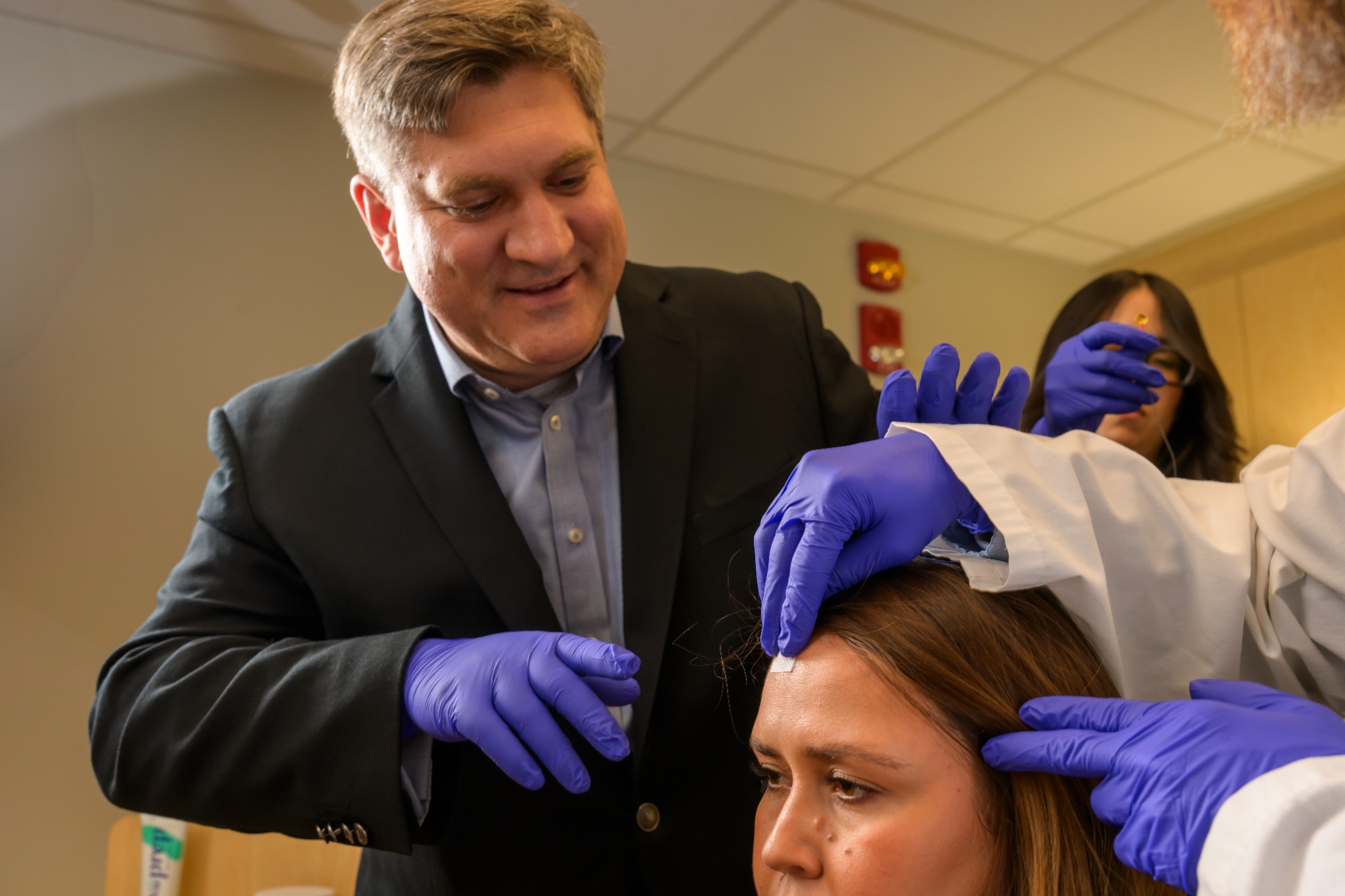
As Director of the University of Arizona Sleep and Health Research Program and Associate Director for Behavioral and Translational Science in the university’s Center for Sleep, Circadian, and Neuroscience Research, Michael leads work spanning sleep health, circadian health, behavioral sleep medicine, measurement, health disparities, and intervention.
Clinical work
Michael is a licensed psychologist certified in Behavioral Sleep Medicine. He directs the Behavioral Sleep and Circadian Medicine Clinic at Banner–University Medical Center, where his work focuses on evidence-based, non-medication approaches to sleep and circadian problems and collaboration with the rest of a person’s care team.
Curriculum vitae
Experience, appointments, and publications.
For a detailed record of Michael’s academic work, training, appointments, and publications, see his curriculum vitae.
Writing and communication
Extending scientific work beyond a single setting.
Books and education
Michael’s books and professional writing connect foundational science with clinical and practical questions. His recent work includes editing Sleep and Sport and the second edition of Sleep and Health, and coauthoring Wearable Sleep Technology.
Public communication
Through teaching, interviews, talks, and public-facing writing, Michael explains what sleep and circadian evidence can and cannot tell us. The aim is not to reduce complex science to a slogan, but to make it understandable and useful for professional and public audiences.
Social media
Follow Michael
Scientific perspective
Context matters.
Sleep is shaped by biology, behavior, timing, environment, social conditions, health, and individual circumstances. Michael’s work focuses on understanding those connections and using evidence carefully across research, care, education, and everyday decisions.